

Travelling through Italy by train is one of my favourite ways to experience the country when I travel between the big cities.
It’s relaxed, practical, and often a lot less stressful than driving – you save time, you don’t have to worry about parking garages or hotel parking, and you can simply step off the train right in the historic centre and start exploring.
I also love a good road trip in Italy, but I usually save that for countryside and coastal routes. For classic city combinations like Rome, Florence or Milan, the train is usually the easiest option.
In this guide I’m sharing exactly what I wish someone had told me before my first journey: simple, honest tips that make train travel in Italy feel easy, even if it’s your first time.
Why travelling by train in Italy works so well
Italy is perfect for city trips, and the rail network reflects that.
Between the major destinations – Rome, Florence, Venice, Milan, Naples, Turin and more – you’ll find a mix of:
- High‑speed trains on the main corridors
- Intercity trains
- Slower regional trains for shorter or cheaper journeys
On long stretches, high‑speed trains often make the most sense: they’re quick, comfortable, and take you straight from one city centre to the next.
For shorter distances and smaller towns, regional trains keep everything flexible and budget‑friendly.
Personally, I love using the train especially for classic city combinations like Rome–Florence–Venice or Milan–Bologna–Florence.
In regions where the landscape itself is the main character (for example, a Tuscany countryside road trip or coastal drives in Southern Italy), I still like renting a car – but for city‑hopping, the train wins for me almost every time.
If you want to compare different train options and prices in one place, you can use a booking platform like Omio or check the Italian train companies directly on their websites.
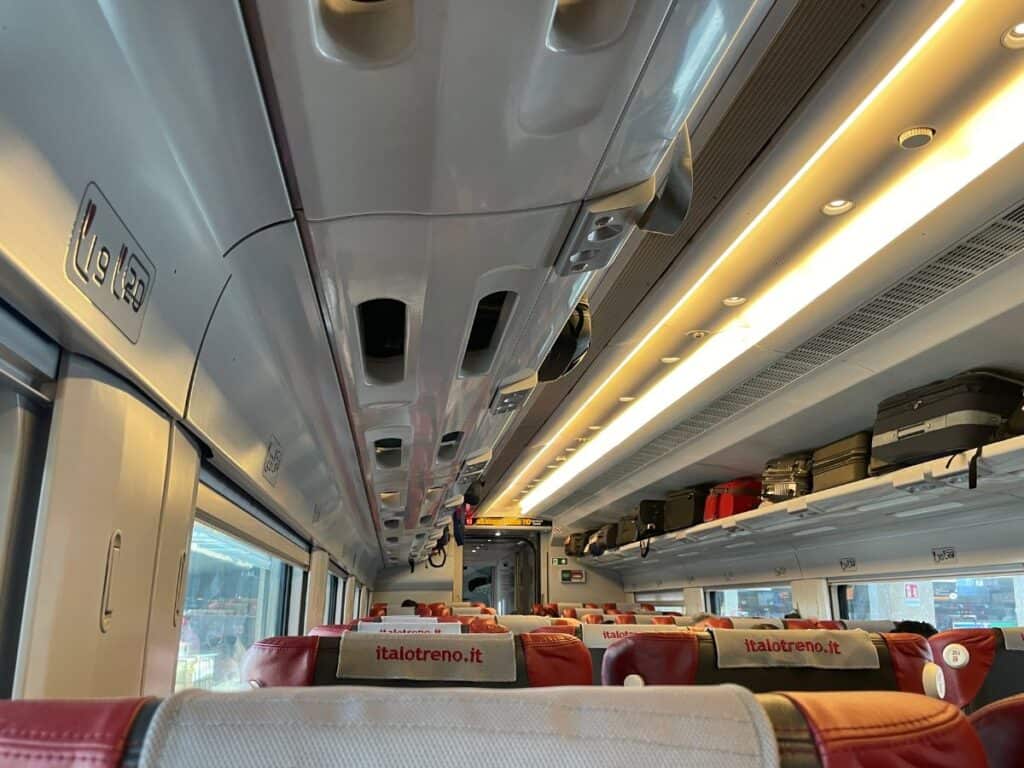
The main types of trains in Italy
When you plan your route, you’ll mainly encounter four types of trains:
- High‑speed trains
- Intercity trains
- Regional trains
- Night trains
Here’s how they differ.
High‑speed trains
High‑speed trains connect the big cities – think Rome, Florence, Venice, Milan, Naples, Turin and Bologna.
They are usually:
- The fastest way to travel between major cities
- The most comfortable option on longer distances
- The best choice if you want to save time and don’t mind booking in advance
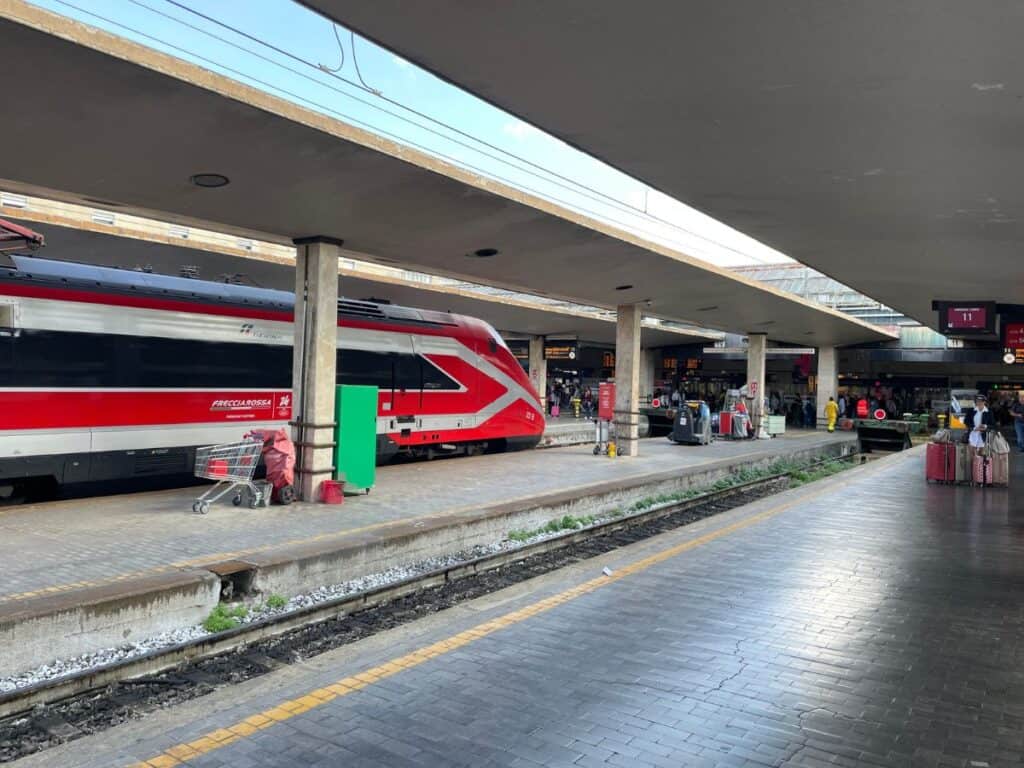
These are the sleek red or white trains you see in photos and on main platforms.
Intercity trains
Intercity trains also run between cities, often stopping in a few more places than high‑speed trains.
They are usually:
- Slower than high‑speed trains
- Sometimes a bit cheaper
- Often include seat reservations in the ticket price
They can be a good compromise if you don’t need maximum speed but still want to travel in relative comfort.
Regional trains
Regional trains are your go‑to option if you:
- Want to reach smaller towns
- Are travelling short distances
- Prefer spontaneity over strict schedules
You don’t always need to book regional trains far in advance. Tickets can often be bought on the day, but it’s still worth checking the conditions because rules can vary.
Night trains
Night trains are interesting if you:
- Want to cover a long distance while you sleep
- Prefer to save a night in a hotel
- Like the idea of waking up in a different part of Italy (or another country)
They’re not necessary for every itinerary, but can be a smart option for specific journeys.
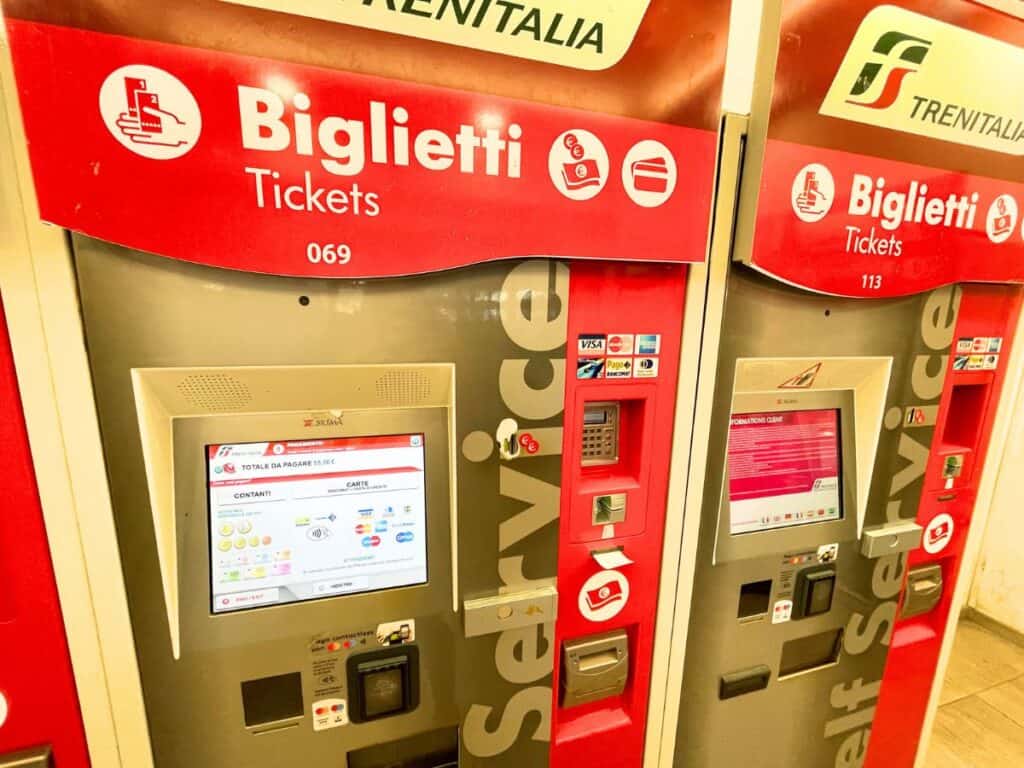
Trenitalia, Italo and booking your tickets
The two main companies you’ll come across in Italy are:
- Trenitalia – the national rail company, operating most routes, including the well‑known high‑speed Frecciarossa trains
- Italo – a private company focusing mostly on high‑speed connections between major cities
Often both companies serve similar routes, but:
- Timetables
- Travel times
- Prices
can differ a lot depending on your travel date and time.
You have three main ways to buy your tickets:
- Directly on the Trenitalia or Italo websites / apps
- At ticket machines or counters in the station
- Via a booking platform that compares different options in one place
On one of my own Italy trips, I booked everything online on Omio and found it very convenient: no paper tickets to worry about, everything in one app, and easy to check departure times on the go.
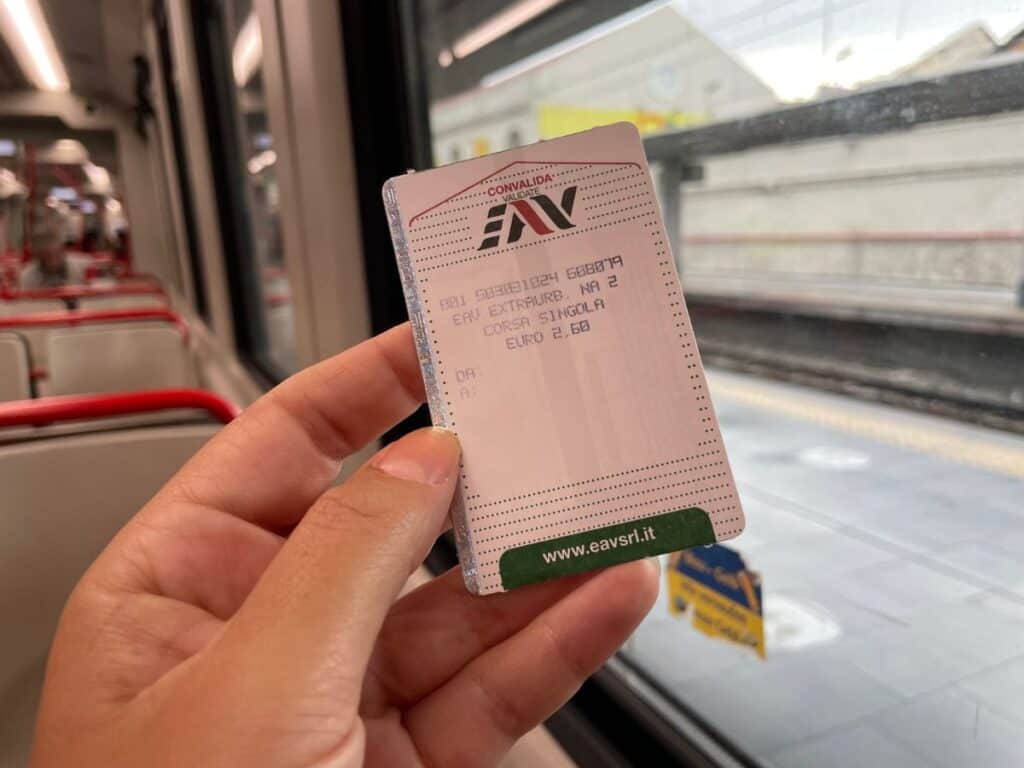
When to book tickets in advance (and when you can be spontaneous)
For high‑speed and long‑distance trains, it usually pays to book early:
- The cheapest fares are often limited and sell out first.
- Advance tickets can be much cheaper than fully flexible fares.
- In return, cheaper tickets are often tied to a specific train and less flexible when it comes to changes or cancellations.
For regional trains, things are different:
- Spontaneous travel is often possible.
- You can usually buy tickets on the day.
However, always check:
- Whether your ticket is valid only on a specific date or within a time window
- Whether you need to validate (stamp) the ticket before boarding (more on that in a moment)
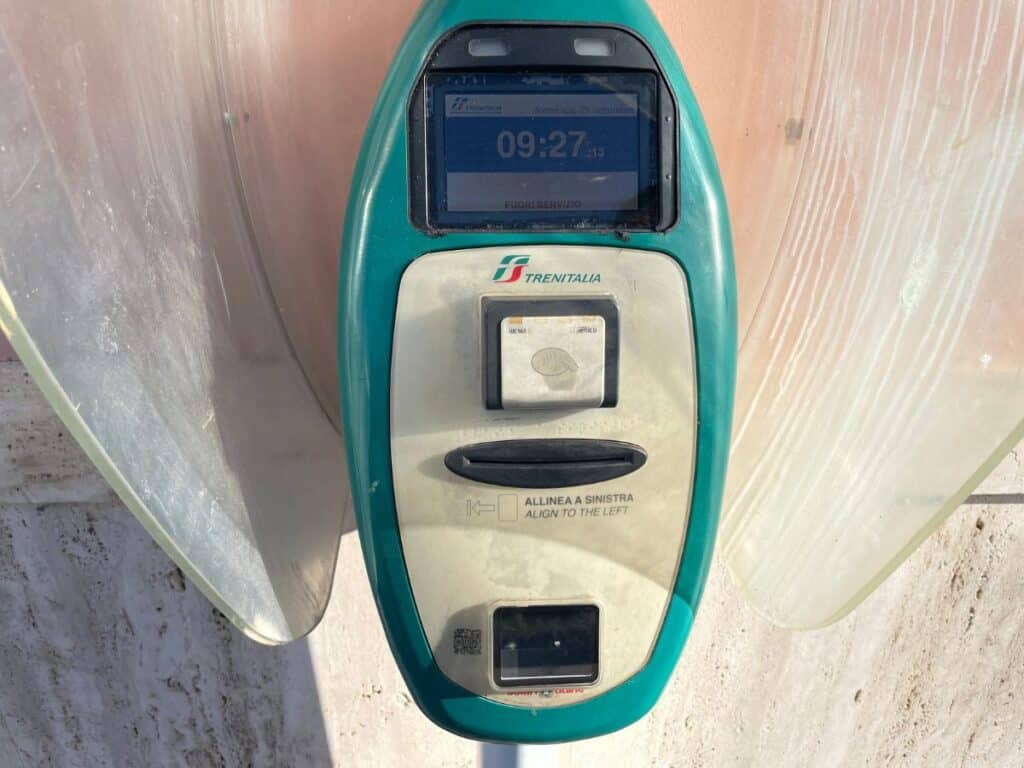
Validating tickets – an important detail
One of the most common mistakes in Italy is forgetting to validate a paper ticket before boarding a train.
Keep this in mind
- Tickets bought at machines or ticket counters for regional trains often have to be validated in a small machine on the platform before you get on the train.
- If you forget this, you can be fined – even if you have a valid ticket and simply didn’t stamp it.
- Digital tickets bought online or in apps are usually already “activated” for a specific train or time and don’t need to be validated again.
Whenever you’re unsure, check the information on the ticket or on the platform. It’s much easier than dealing with a fine later.
First vs second class on Italian trains
On many trains in Italy there are at least two classes.
In most cases:
- Second class already offers a good level of comfort for regular trips.
- First class can mean:
- More legroom
- Quieter atmosphere
- Sometimes a bit more space or extra services
For shorter journeys or when you’re trying to save money, second class is usually completely fine. For longer distances, upgrading to first class can be nice if you know you value a bit more space and calm.
What to know about Italian train stations
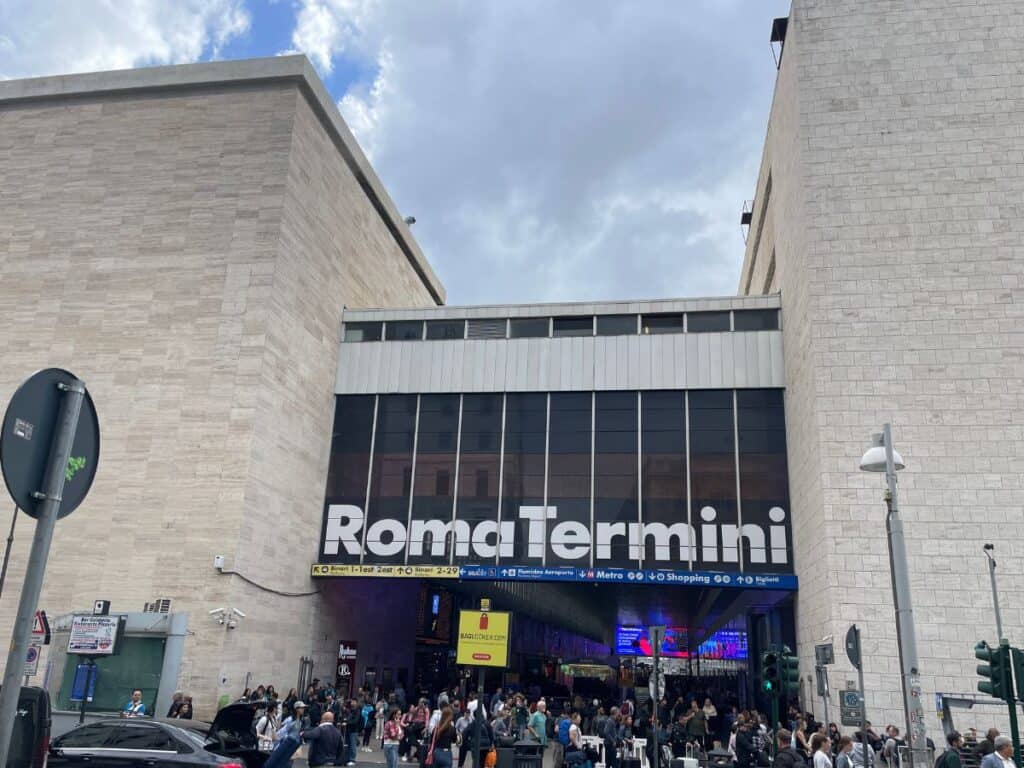
Most big train stations in Italy are well organised, but there are a few things that are helpful to know:
- On departure boards, you might first see only the final destination and departure time. The platform can appear only shortly before departure.
- It’s a good habit to check the train number, not just the destination, especially on routes where many trains go in a similar direction.
- Arrive a little earlier than you think you need to. It gives you time to find your platform without rushing through a busy station.
- As in any large city, keep an eye on your luggage and valuables, especially in crowded areas.
Who train travel in Italy is perfect for
Travelling Italy by train is especially great if you:
- Love walking through cities, discovering little streets and piazzas, and stopping often for coffee or gelato
- Prefer to arrive in the centre and start exploring right away, instead of dealing with car rentals and parking garages
- Enjoy a slightly slower, more present way of travelling – reading on the train, watching the landscape, letting someone else handle the driving
- Want a more sustainable way to move between cities without adding extra stress to your trip
On my own routes through Italy, this type of travel felt incredibly freeing.
We simply stepped onto the train in one city, stepped off in the next, and our “to‑do” list for the day was mostly: wander, eat, explore.
For the way I like to experience places, that’s hard to beat.
When a rental car makes more sense
For the big city‑to‑city routes, trains are usually the most relaxed option. But if you’re dreaming of small villages, scenic back roads and stopping whenever a view calls you, a road trip can be wonderful too.
In that case, you might like my guide on driving in Italy and renting a car, where I share what to watch out for with ZTL zones, insurance and choosing the right car for your trip.
You can very easily combine both: use trains for the big city jumps, and rent a car only for the part of your itinerary where you really want that extra freedom.

Good starting points and day trips by train
Some cities work especially well as starting points if you’re arriving by train from other countries in Europe, or connecting through major airports:
- Bologna
- Verona
- Milan
They are well connected by international and domestic trains and make it easy to continue on to places like Florence, Venice, Rome or Naples.
If you’re coming from Austria, or Germany, routes via Verona or Bologna can be particularly convenient – you get on the train, relax, and step off right in the middle of your first Italian city.
Once you’re based in a city like Rome, you can also use the train for easy day trips. If you need ideas, take a look at my guide to the best day trips from Rome by train.
Combining your train trip with city guides and itineraries
Many Italian cities are wonderfully suited to being explored on foot once you arrive by train. If you’re planning to include some of the classics, you might find these guides helpful:
If you like seeing a complete example, you’ll also be able to follow along with my own train itinerary through Florence, Naples, Rome and Bologna in a separate article:
Italy by train: our Florence–Naples–Rome–Bologna itinerary
You can easily string these cities together by train and explore each one mostly on foot once you’re there.
Frequently asked questions about train travel in Italy
Do I always need to book train tickets in advance?
Not always. For high‑speed and long‑distance trains, booking early is usually a good idea because cheaper fares sell out. For many regional trains you can buy tickets on the day, but check the conditions.
Are Italian trains punctual?
On the main high‑speed routes, punctuality is generally quite good. Regional trains can be a bit more unpredictable, so it’s smart to allow some buffer time if you have connections or reservations later that day.
Do I need a reservation for regional trains?
Often you don’t – many regional trains don’t require seat reservations. Still, always look at the ticket information and any notes on the route.
How early should I arrive at the station?
For regular trips, arriving 15–20 minutes before departure is usually enough. For big stations or if you’re unfamiliar with the layout, giving yourself a little more time helps reduce stress.